Debunking WordPress Myths

Debunking Common WordPress Myths: Why It’s Still the Best Choice in 2024
Author: Peter Kent – Date: 30/09/2024
When it comes to building websites, WordPress is often the first platform people consider, and with good reason. It powers over 40% of all websites on the internet! Yet despite its widespread popularity, there are still many misconceptions and myths surrounding WordPress. These myths can make people second-guess whether it’s the right choice for their business.
So today, let’s clear the air. Whether you’re a small business owner running a skilled trade company, in the wellness industry, or a bigger Corporate business, WordPress is still the most powerful, flexible, and secure platform in 2024. Let’s dive in and put to bed some of the most common WordPress myths.
Myth 1: WordPress Isn’t Secure
Let’s get straight to the biggest one, security. One of the most common myths is that WordPress is unsafe because it’s open-source and widely used. The reasoning goes: “More users mean more hackers, right?” Not quite.
The Truth: WordPress is incredibly secure, as long as it’s properly managed. Security issues usually arise from poor site management, like outdated themes, plugins, or weak passwords, not the platform itself. In fact, WordPress is constantly updated to address potential vulnerabilities, and there’s a massive community of developers working to keep it safe.
The WordPress team also releases frequent security patches, and it has fantastic plugins available, like Wordfence and Sucuri, to further protect your site. With a solid hosting provider (like our eco-friendly, high-performance hosting!), regular updates, and proper configuration, your WordPress site will be just as secure, if not more so than any other website platform.
Myth 2: WordPress Can’t Scale for Larger Businesses
Another misconception is that WordPress is only suitable for small businesses or personal blogs. If your company grows, you’ll need to move to a more “professional” platform, right? Wrong!
The Truth: WordPress is perfectly capable of scaling with your business, no matter how big it gets. In fact, many large organizations and global brands like Time Magazine, Sony Music, and even NASA use WordPress to power their websites. With the right infrastructure and hosting, WordPress can handle high traffic and complex functionality.
For scalability, it’s all about optimization. You can use caching, content delivery networks (CDNs), and powerful servers to ensure that your site runs smoothly as it grows. WordPress also supports multisite setups, allowing businesses to manage multiple websites from one dashboard, making it even more scalable for those with expanding needs.
Myth 3: WordPress Is Difficult to Use
There’s a lingering myth that WordPress is complicated, with a steep learning curve. Some people worry that you have to know how to code to make the most of it.
The Truth: WordPress is actually incredibly user-friendly, and you don’t need to be a developer to use it effectively. Its intuitive interface is one of the reasons it’s become the world’s most popular website platform.
With lightweight but fully functional page builders like Kadence, creating stunning websites is easier than ever. Themes come with built-in customization options, and most premium plugins are designed to work out of the box, making complex functionality achievable without touching a line of code (just be careful not to go plugin crazy!).
Plus, WordPress’s massive community means there’s always help available, whether it’s from support forums, tutorials, or professional developers like us who can handle the heavy lifting. At Peak Horizon Web Design, we offer personal, hands-on support to guide you through the process, so even if you’re not tech-savvy, your site can still shine.
Myth 4: WordPress Is Only for Blogs
Yes, WordPress started as a blogging platform, but that was almost two decades ago! Yet, some people still believe WordPress is best suited for personal blogs and not “real” business websites.
The Truth: WordPress has evolved way beyond blogging. It’s now a fully-fledged content management system (CMS) capable of handling any type of website, from eCommerce stores to membership sites, portfolios, and online communities.
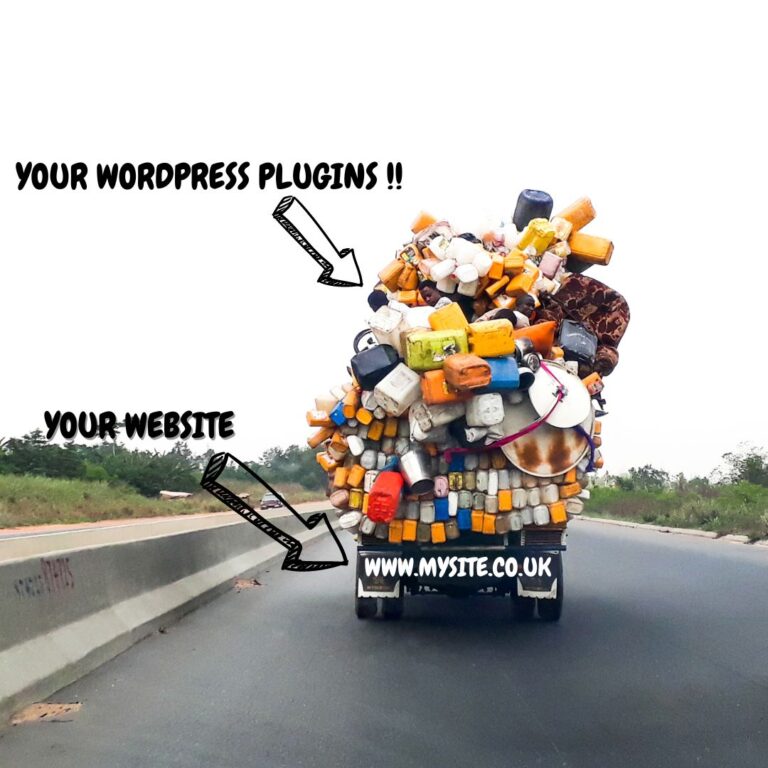
WooCommerce, for example, is one of the most popular eCommerce solutions in the world, and it’s built on WordPress. There are also thousands of plugins available to extend the functionality of your site, whether you need booking systems, complex forms, or even learning management systems (again though, just be careful not to go plugin crazy, have a read of this article – Plugin Overload!). WordPress is incredibly versatile, and its core flexibility allows you to create any type of website you need.
Myth 5: You Can’t Customize WordPress Without a Developer
Some people assume that unless you know how to code, you can’t customize a WordPress site to match your brand or needs.
The Truth: WordPress’s true strength lies in its ability to be customized, and while a developer can help with advanced customization, you don’t need one to make your website stand out. There are thousands of themes and plugins available that make it easy to change the look and functionality of your site with just a few clicks.
Theme builders, page builders, and customization tools allow you to change colours, layouts, fonts, and more, all without touching a single line of code. And if you ever do want to take things to the next level, a developer can step in and help with more complex customizations.
Why WordPress Is Still the Best Choice in 2024
The versatility, power, and support behind WordPress make it the best choice for businesses of all sizes in 2024. Whether you’re running a wellness blog, a roofing business or scaling a global eCommerce platform, WordPress has the tools, flexibility, and security you need to succeed.
And Here’s a Few Of The Big Wins:
The Website is yours. As long as there are no hidden quirks in your host or developer’s contract and the site build is paid for, it’s yours. Almost all hosting providers support WordPress so you can move it at will, you’re not tied to one place. Using the budget site builders offered by the likes of GoDaddy, Ionos etc. you’re stuck with them, you can’t transfer away.
If your website was built by a Developer and they later go awol, another developer can take over. That’s the beauty of such a widely used platform.
It’s awesome for SEO. WordPress is fully optimised for responsive devices and media files. It’s clear and easy for configuring your titles, headings and meta data, crucial for SEO. It has a clear structure to it with easy markup capability. There are also several fantastic plugins to help point you in the right direction for SEO basics such as Yoast. Overall WordPress is built perfectly for SEO optimisation.
Here at Peak Horizon Web Design, we’re big believers in WordPress because we’ve seen first hand how it empowers businesses. With our personalized service, we take the complexity out of the equation, helping you unlock the full potential of WordPress without the stress.
So don’t let the myths fool you, WordPress isn’t just the best choice for 2024. It’s the best choice for your business.
Conclusion
We hope this blog helped in debunking WordPress myths. In a world full of website options, WordPress continues to stand out as a flexible, secure, and user-friendly platform. Whether you’re looking to launch your first website or expand your digital presence, WordPress can grow with your business, and we’re here to help you every step of the way. Ready to get started? Reach out to us at Peak Horizon Web Design today!